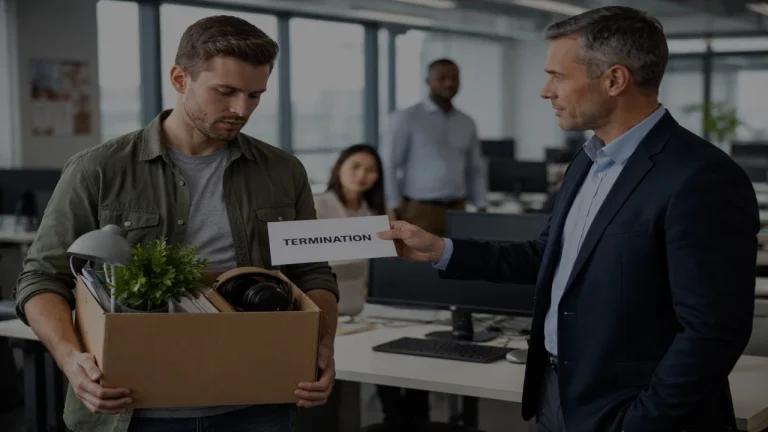
A depiction of H-1B visa employees
Big tech companies are increasingly embracing full remote work for foreign workers in a bid to circumvent the Trump administration’s stricter visa requirements.
Trump’s “America First” policy has resulted in companies paying more to sponsor H-1B visa employees and immigrants undergoing exhaustive screenings to be allowed entry into the United States.
Amazon extends foreign remote working contracts amid stricter visa screenings.
Business Insider recently reported that Amazon had notified H-1B visa employees stranded in India that they could continue working remotely until March 2026. With 12,391 H-1B visa employees on its payroll, Amazon leads other tech giants such as Microsoft (5,189), Meta (5,123), Apple (4,202), and Google (4,181) in hiring skilled foreign workers. Currently, approximately 730,000 H-1B visa holders work in the United States.
Previously, the e-commerce giant had allowed immigrant employees to extend their remote working contract by 20 days. However, Trump’s stricter visa screenings have resulted in the tech giant extending their remote working contracts by three months to accommodate the anticipated delays.
However, remote employees stranded in foreign countries, especially India, cannot enter Amazon buildings, participate in contract negotiations, code, or conduct software testing for security reasons.
In September 2025, the Department of Homeland Security (DHS) increased the odds for highly paid H-1B visa immigrants and reduced those for lowly paid foreign workers. The new system discourages companies from hiring low-paid workers, in favor of highly-paid foreign employees who can compete with Americans. In the same month, a federal court in the U.S. District of Columbia upheld the $100,000 fee for new H-1B petitions.
Google, Apple, and Microsoft had also warned H-1B visa-sponsored employees against traveling to their home countries during the 2025 holiday season in anticipation of visa delays.
Big Tech slammed for firing domestic employees while importing immigrant workers.
In July 2025, appearing at the “Winning the AI Race” Summit in Washington, D.C., the U.S. Vice President JD Vance slammed Big Tech for firing thousands of native-born Americans while sponsoring foreign-born workers on H-1B visas.
“But I don’t want companies to fire 9,000 American workers and then to go and say, we can’t find workers here in America.”
“That’s a bullsh*t story,” Vance said.
“And yet at the same time, the college-educated employment rate for STEM graduates in this country seems to be declining,” he added.
Seemingly, VP Vance was slamming Redmond, Washington-based tech colossus Microsoft, which had applied for 9,000 H-1B visa sponsorships after firing a similar number of domestic employees.
“If you’re not hiring American workers coming out of colleges for these jobs, then how can you say that you have a massive shortage in these jobs?” The Vice President asked.
Elsewhere, Amazon announced plans to eliminate 500,000 menial jobs by deploying over 1 million robots to improve delivery speeds, efficiency, and cut costs. The e-commerce giant also plans to slash over 30,000 skilled corporate jobs to save more dollars.
However, it will spend about $2.5 billion to help impacted employees and communities upskill to remain relevant in the job market. Amazon also plans to invest over $125 billion in Artificial Intelligence to catch up with Microsoft, Google’s parent company, Alphabet, and Facebook’s Meta, which are already leading the AI race.
Amazon previously joined the space internet race by sending over two dozen satellites into space, rivaling Elon Musk’s SpaceX and China.
About the Author