Apple Chooses Gemini as the default model for Apple Intelligence
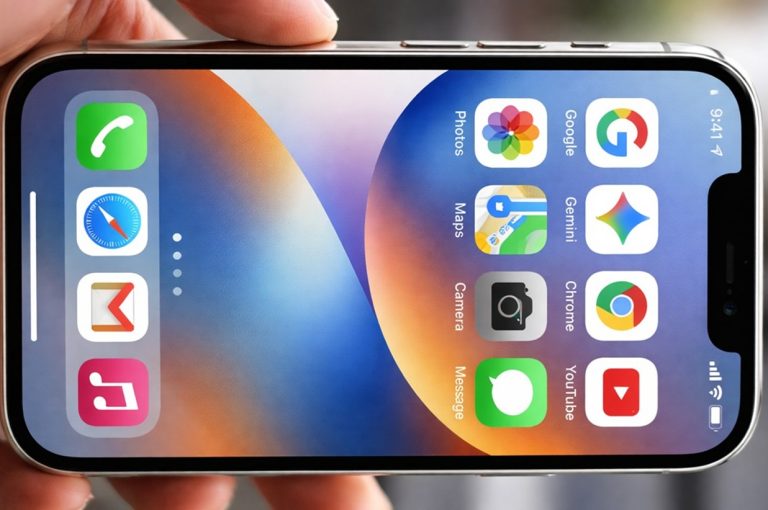
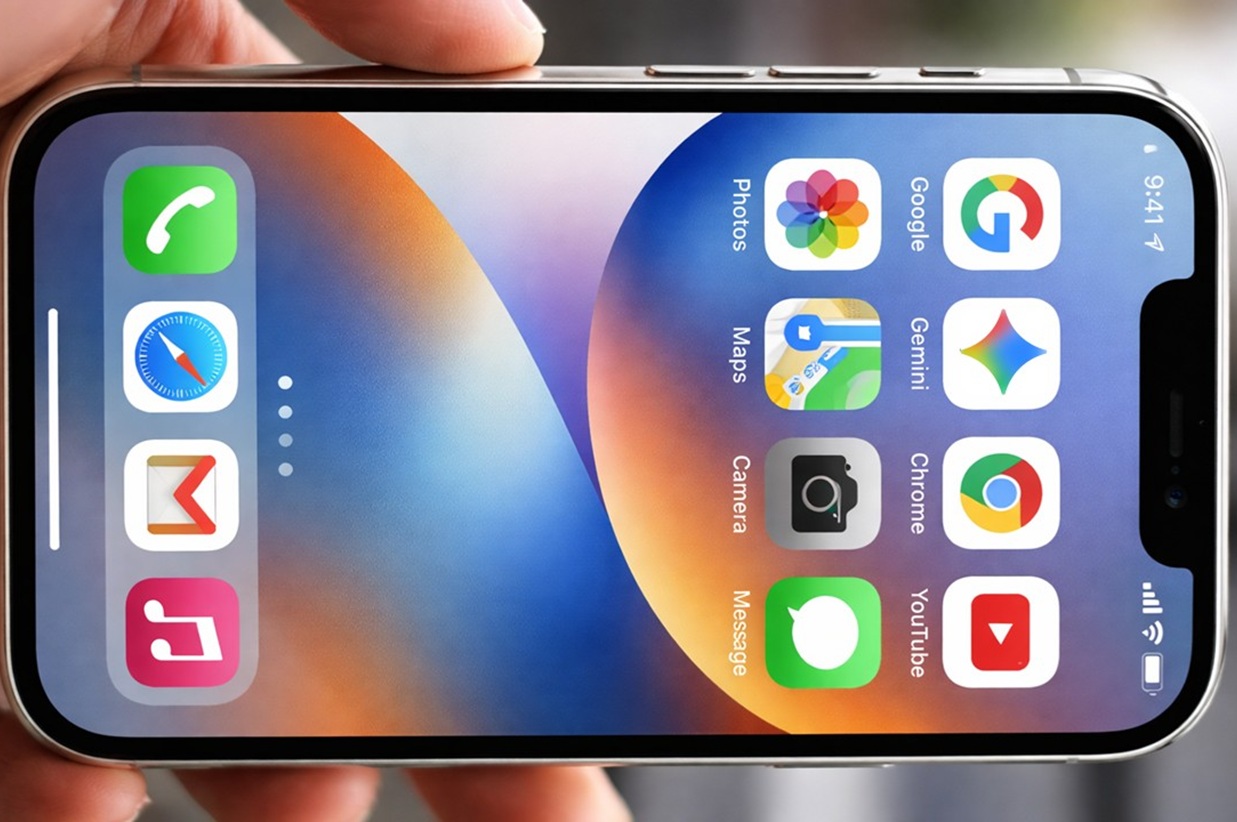
Despite achieving decent milestones in Artificial Intelligence (AI), Apple has ditched its in-house model in favor of Google’s Gemini to power Apple Intelligence on iPhone, iPad, and Mac.
The Cupertino, California-based company was struggling to keep up with industry leaders such as OpenAI and Google. The partnership suggests that Apple has abandoned efforts to develop its in-house AI model in favor of third-party solutions.
In 2024, Apple had promised to release a revamped “More Personalized Siri” with groundbreaking Apple Intelligence Features in the next year.
The following year, Apple briefly tried to integrate Siri with ChatGPT to achieve some functionalities, such as more personalized conversations.
However, after failing to deliver on the most anticipated features, such as App Intent, it was apparent that the company would not live up to its promise.
Apple drops in-house AI for Google’s Gemini.
On January 12, 2026, Apple and Google announced they had entered a multi-year agreement to collaborate on bringing more AI to Siri.
“The companies have entered into a multi-year agreement to build the next-generation Apple Foundation Model based on Google’s Gemini model and cloud technology,” Apple explained.
“These models will help power future Apple Intelligence features, including a more personalized Siri coming this year.
“After careful evaluation, we determined that Google’s AI technology provides the most capable foundation for the Apple Foundation Model.”
Subsequently, Google’s AI model will power the next generation of Apple’s personal assistant Siri. However, Cupertino will run Gemini-powered Apple Intelligence on its “Private Cloud Compute” to preserve its industry-leading privacy features that are the hallmark of its success.
Subsequently, Apple will maintain control of the whole process while Google provides AI infrastructure and data.
“Apple Intelligence will continue to run on Apple devices and Private Cloud Compute, while maintaining Apple’s industry-leading privacy standards,” it stated.
Although neither company has released details of the deal, including its financial terms, the deal is estimated to be worth about $1 billion per year.
Meanwhile, Apple’s decision to settle for Gemini was well-informed, as Google maintains one of the largest cloud infrastructures and data stores.
Gemini on iPhone gives Google an edge in mobile AI.
With Gemini now available on all new Android devices, the collaboration with Apple means that Google AI will dominate the smartphone market.
While another top contender, Galaxy AI, has received widespread praise, it is only available on Samsung’s latest mid-range and flagship phones.
Besides Samsung, other smartphone makers such as Xiaomi, Vivo, and Oppo have their own native or adapted models, but have a smaller user base and still integrate Gemini. This leaves Gemini as the undisputed AI leader in the smartphone segment.
Meanwhile, the Apple-Google partnership may raise regulatory questions, as both companies have been accused of antitrust violations. Google has been accused of paying Apple to keep Google Search as the default search engine, enabling the company to dominate the market.
Similarly, both companies are under scrutiny for preventing users from setting a third-party App Store as their default, preventing other players from entering the field. In 2025, Rep. Kat Cammack (R-FL) reintroduced the App Freedom Act, which would require them to open their ecosystems to third-party app stores.
About the Author